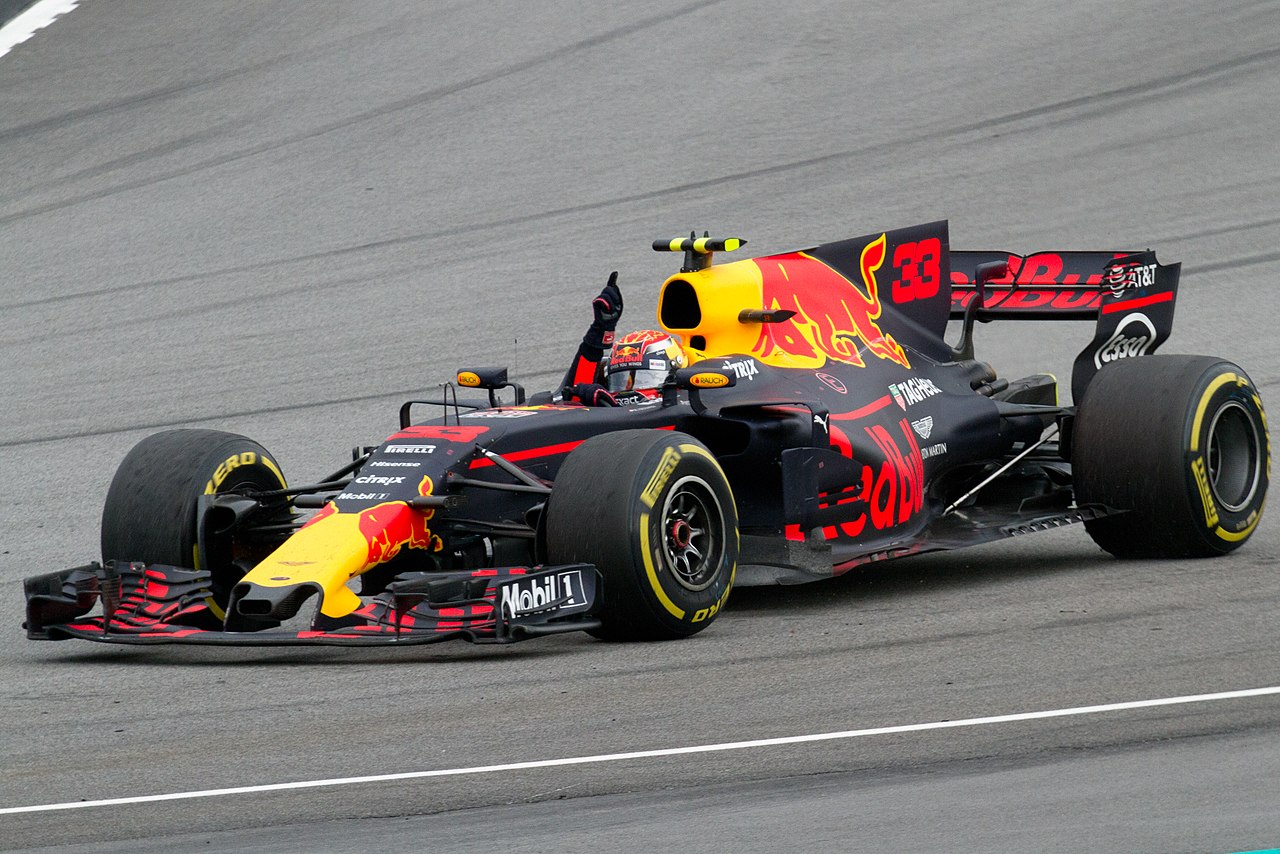
Sepang reference: 1/1000 sec · 400mm · ISO 800. Photo by Morio, CC BY-SA 4.0 via Wikimedia Commons. Licensed editorial reference, not Altech stand-by-stand focal-length evidence.
Sepang · 2–4 October 2026
Your ticket decides before your camera does.
Start from the spectator view you bought and the frame you want. If your current body can track the car, solve framing reach before replacing the camera.
Last verified 23 August 2026 · Live product price + stock · Exact stand/focal-length winners remain evidence-gated
CAMERA ACCESSCurrent published Malaysia ticket terms permit ordinary personal still-camera use; the prohibited list reviewed by Altech did not state a Singapore-style telephoto physical-length cap.Official terms →
Venue regulations can still be updated or supersede earlier terms, so Altech should recheck the latest organiser/venue guidance close to race weekend rather than promising there are no camera restrictions.
Step 1 · Read the view
Do not copy another stand's focal length.
Subject distance and angle change around Sepang. Official ticketing gives useful viewing context, but it does not give Altech permission to invent an exact “best mm” for each stand.
C HILLSTANDTurns 9–11 + view toward the back straight
Next question: do you want flexible corner framing, or more reach toward the distant straight?
B HILLSTANDSweeping Turns 12–14
Next question: are you trying to freeze a car in the sequence, or build motion with a pan?
“Is 200mm enough?” is really three different questions.
ATMOSPHERECar + corner + environment
Start by testing the 70–200 class. More reach is not automatically better if the photograph needs context.
FLEXIBILITYChanging distance across a spectator session
Test the 100–400 class when the real problem is the subject becoming too small as distance changes.
COMPACT APS-C REACHLonger field of view without a body replacement
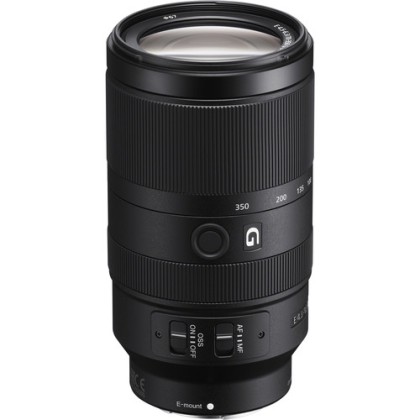
For a compatible APS-C system, a 70–350 class lens can solve framing while keeping the body.
Altech evidence still required
We need to show what the focal lengths actually look like.
70mm100mm135mm200mm300mm400mm
The first-party field-of-view series should record representative spectator context, camera/lens, sensor format, focal length, uncropped frame, any crop and what enters or leaves the composition. Until then, this guide recommends lens roles rather than pretending one number wins every stand.
TEST SERIES PENDING
Step 3 · Solve the failure
If autofocus works and the car is simply too small, that is a lens decision.
The live products below are deliberately limited to the reach-first role instead of mixing every telephoto Altech carries. Canon positions the RF 100–400 as a portable super-telephoto; Sony specifies the APS-C 70–350 G at approximately 105–525mm full-frame equivalent.
KEEPBody that already tracks the car reliably
CHANGELens only if framing reach is actually missing
If the subject is too small, compare reach—not a new body
These current catalogue matches address framing reach for photographers whose existing body is already capable. New and inspected pre-owned matches can appear together.
Catalogue matches are chosen for the photographic role above. Price, stock and pre-owned units remain live catalogue data.
Value pathPre-owned should solve the same reach problem.
If a matching inspected unit appears in the live reach section, compare that actual product's condition, warranty and current price against new before paying the new-gear premium.
Singapore adds night exposure and a separate 300mm combined physical-length restriction for camera + telephoto/zoom lens + hood. A large lens that solves Sepang reach can create a different problem one week later.